
Designing a website isn’t about picking colors, choosing fonts, or making something look cool.
Those things matter. But they come later.
A high-performing website is built on strategy, clarity, and intentional decisions. When any one of those is missing, you end up with a site that looks fine but doesn’t bring in leads, clients, or sales.
This is the website design process we use to build sites that actually work.
Why Most Websites Don’t Perform
Most websites fail for one simple reason. They’re built backwards.
Design comes first. Strategy comes later. Messaging is an afterthought. And conversion is left to chance.
The result is a site that feels vague, confusing, or disconnected from the business behind it. Visitors don’t know who it’s for, what problem it solves, or what to do next.
A successful website removes friction. It makes decisions easy. And it leads visitors forward with confidence.
That only happens when you follow a process.
Step One: Start With Strategy, Not Design
Before we design anything, we define what the website is supposed to do.
This means getting clear on your business goals, your ideal client, and the role your website plays in your sales process. Is the goal to book calls, sell services, grow an email list, or establish authority?
Without this clarity, every design decision becomes a guess.
Strategy sets the foundation. It ensures the website supports your business instead of just existing alongside it.
Step Two: Clarify Your Brand Voice and Message
Your brand is not your logo.
It’s how you speak, how you explain what you do, and how quickly someone feels understood when they land on your site.
A strong website sounds like a real human. It speaks directly to your ideal client’s situation and reflects your personality without trying too hard.
When the message is clear, visitors feel aligned. When it’s vague, they leave.
This step is about dialing in language that feels confident, approachable, and unmistakably you.
Step Three: Write the Copy Before Designing Pages
Design supports the message. It doesn’t replace it.
Words do the heavy lifting on a website. They explain your offer, address objections, and guide visitors toward action. Without strong copy, even the best website design won’t convert.
We write website copy before designing layouts so every page has a clear purpose. Headlines are intentional. Sections flow logically. Calls to action feel natural instead of forced.
Clarity always converts better than cleverness.

Step Four: Create a Clear Path to Working With You
If someone wants to work with you, your website should make that obvious.
Visitors shouldn’t have to dig for information or guess what happens next. A clear website explains your services, outlines the process, and sets expectations upfront.
When the path is clear, people feel more confident reaching out. And confident visitors convert more often.
Step Five: Design With Intention
Design isn’t decoration.
Good design guides attention, reinforces trust, and makes content easier to consume. Every layout choice should support the message and highlight what matters most.
This includes clean typography, thoughtful spacing, mobile-friendly layouts, and obvious calls to action. The goal is not to impress. The goal is to make decisions easy.
When design and copy work together, the site feels effortless to use.
Step Six: Capture Leads Early
Not every visitor is ready to buy on their first visit.
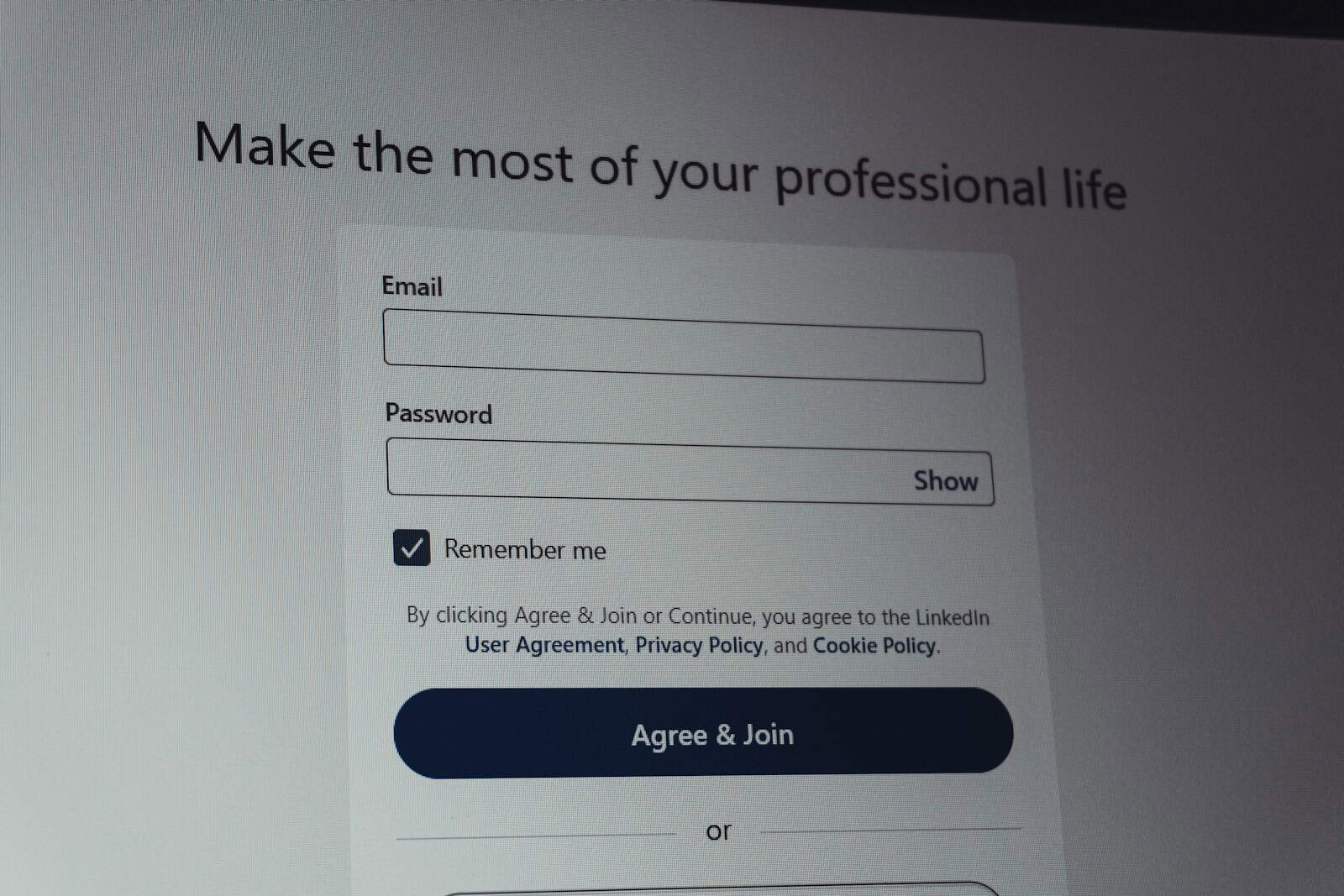
That’s why a strong website focuses on connection, not just conversion. Email opt-ins, lead magnets, and simple signup opportunities turn passive visitors into long-term audience members.
Your website should work even when people aren’t ready to commit yet.
Owning your audience is one of the smartest moves you can make.
Step Seven: Build With SEO in Mind
A website that converts is useless if no one sees it.
SEO ensures your site shows up when the right people are searching for what you offer. This means intentional page structure, clear headings, keyword-focused content, and fast load times.
SEO isn’t about gaming the system. It’s about helping search engines understand your content and match it with the right audience.
Done well, SEO turns your website into a long-term traffic engine.
The Result: A Website That Works
A successful website doesn’t rely on trends or guesswork.
It’s built with purpose. It communicates clearly. And it supports your business goals every step of the way.
When strategy, messaging, design, and SEO work together, your website becomes more than a digital presence. It becomes a tool that attracts the right people and helps your business grow.
That’s the difference between a small business website that looks good and one that actually works.
How’s your small business website?